
Rust, corrosion and dead electronics: humidity's quiet bill
24 July 2026 · 6 min read · DRYAir Dehumidifiers
The short answer
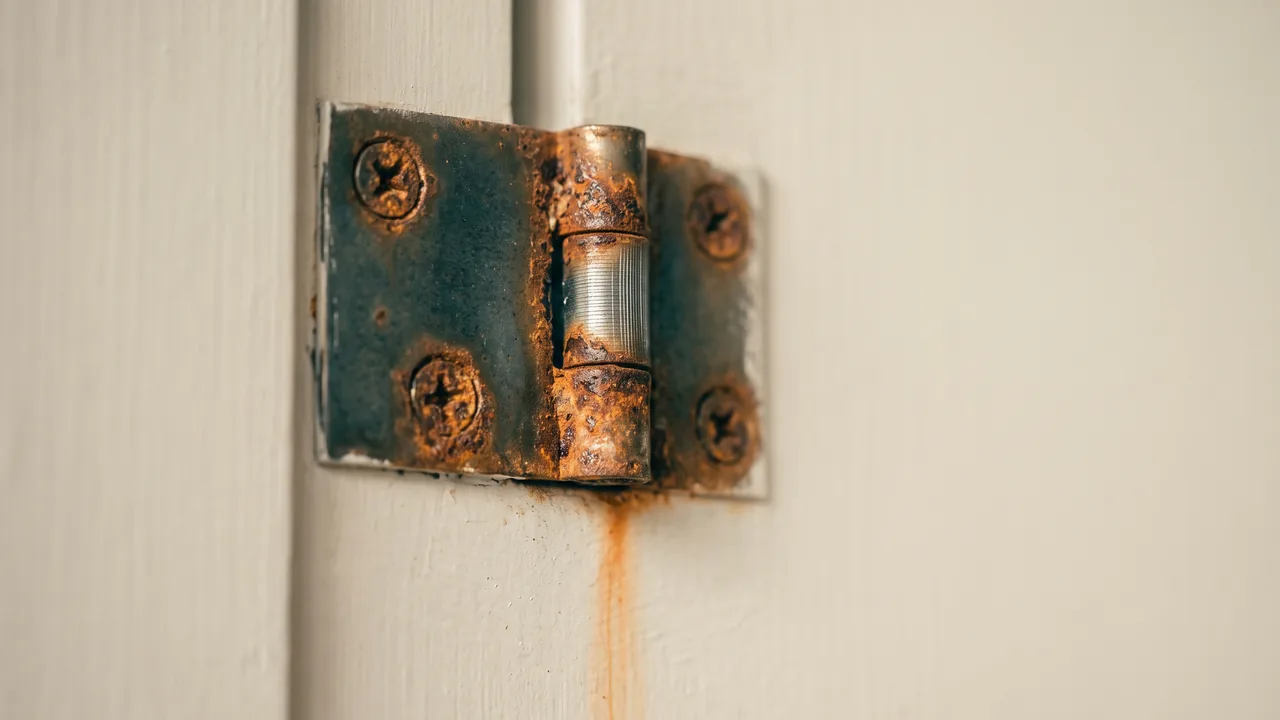
Metal corrosion accelerates sharply once relative humidity passes about 60%, because a microscopic film of moisture forms on metal surfaces and enables electrochemical reactions. Salt in coastal air lowers that threshold further. Keeping stored equipment and electronics at 45–55% relative humidity prevents rust, circuit board corrosion and camera lens fungus.
This is the damage that does not announce itself. There is no dramatic failure — just a slow accumulation of small losses that most households and businesses never connect to a single cause.
The 60% threshold
Corrosion is an electrochemical process, and it needs an electrolyte — a conductive film of moisture. Above roughly 60% relative humidity, an invisible layer of water molecules forms on metal surfaces, and the rate of corrosion rises steeply. Below 50%, that film does not form and corrosion essentially stops.
Sri Lanka's coastal geography makes this worse. Airborne salt is hygroscopic — it pulls moisture from the air — and salt dramatically increases the conductivity of that surface film. Homes and businesses within a few kilometres of the sea see corrosion at humidity levels that would be tolerable inland.
What it destroys, in order of expense
| Item | How humidity damages it |
|---|---|
| Camera lenses | Fungus grows on internal glass elements; often permanent, expensive or impossible to remove |
| Circuit boards | Contacts and solder joints corrode; devices fail years early with no visible cause |
| Server spaces & panels | Corroded connections cause intermittent faults and genuine safety risks |
| Tools & machinery | Surface rust, seized moving parts, higher maintenance cost |
| Guitars & instruments | Wood swells and warps; strings, frets and hardware corrode |
| Documents & photographs | Yellowing, curling, foxing and mould staining |
Business exposure is larger than most owners think
For commercial premises the numbers change scale. Damp storage degrades tea, spices, food and pharmaceuticals. Textile and leather stock mildews before it sells. Archives and paper records deteriorate. Gym equipment corrodes under the combination of sweat and humid air. Printing machinery misfeeds as paper absorbs moisture.
In each case the loss is recorded as spoilage, wastage or maintenance rather than as a humidity problem, which is exactly why it goes unaddressed for years.
Practical protection
- 1Identify the highest-value concentration — a study with electronics, a storage space, a server cupboard, a stock area.
- 2Hold that space at 45–55% relative humidity with an appropriately sized dehumidifier.
- 3Store cameras and lenses in a cabinet within a dehumidified space rather than in a sealed bag.
- 4Keep equipment off the floor and a few centimetres away from external walls.
- 5For coastal properties, treat 50% as the ceiling rather than the target.
For larger spaces — whole homes, basements, warehouses and commercial floors up to about 110 m² — our DA-50L moves 330 m³ of air an hour and supports continuous drainage, so it can run unattended without anyone emptying a tank. For a storage space or study, a smaller unit is usually sufficient.
The arithmetic is usually straightforward: one ruined lens, one early television failure, or one spoiled batch of stock generally exceeds the cost of preventing all of them.
Fix it at the source
Hold your spaces at a healthy 45–55%
DRYAir dehumidifiers set a target humidity and hold it automatically — day, night and right through the monsoon. Colombo delivery, local service since 2016.
Frequently asked questions
At what humidity does rust start?+
Corrosion accelerates sharply above about 60% relative humidity, when a microscopic moisture film forms on metal. Below 50% it effectively stops. In coastal areas with salt in the air, aim for 50% or lower.
How do I stop fungus growing on camera lenses?+
Keep them at 45–50% relative humidity. Store gear in a dry cabinet or an open shelf inside a dehumidified space rather than a sealed camera bag, which traps moisture around the equipment.
Does humidity really damage electronics?+
Yes, though rarely all at once. Moisture corrodes solder joints, contacts and traces on circuit boards, which shortens component life significantly — devices fail years earlier than they should with no obvious external cause.
What humidity should a server space be kept at?+
Generally 45–55% relative humidity. Too high risks condensation and corrosion on equipment and electrical panels; too low increases static discharge risk.
Keep reading
Written by the DRYAir team — dehumidifier specialists in Sri Lanka since 2016. Questions about your own space? Call +94 75 666 00 00 any time, or message us on WhatsApp. This guide is general information, not medical advice — for persistent symptoms, please speak to your doctor.