
The protection blueprint
Sri Lanka's humidity is beautiful weather — for mold.
Relative humidity across the island sits between 70% and 90% — far above the 40–60% band that's healthy for people, buildings and equipment. A dehumidifier pulls your spaces back into the safe zone and holds them there, automatically.
Go deeper: the four benefits · the full Protection Blueprint
Your health
Damp air is an invisible health risk.
- Mold and mildew spores thrive above 60% humidity and trigger asthma and allergies
- Dust mites multiply rapidly in damp bedding and furniture
- Bacteria and viruses survive longer in humid indoor air
- Cool, dry air is noticeably better to sleep in
Your property
Moisture slowly destroys the things you've worked hardest for.
- Wood doors, floors, fit-outs and furniture warp and rot
- Paint peels; walls grow damp patches and black mold
- Windows condensate and drip, damaging sills and frames
- Wardrobes, upholstery and leather goods develop mildew and musty smells
Your electronics
Humidity is the silent killer of electronics.
- Circuit boards corrode long before anything visibly fails
- Cameras and lenses grow fungus that's often impossible to remove
- TVs, computers and audio gear die years early
- Server spaces and electrical panels face real safety risks
Your business
For many businesses, humidity control isn't optional.
- Food, tea, spices and pharmaceuticals degrade in damp storage
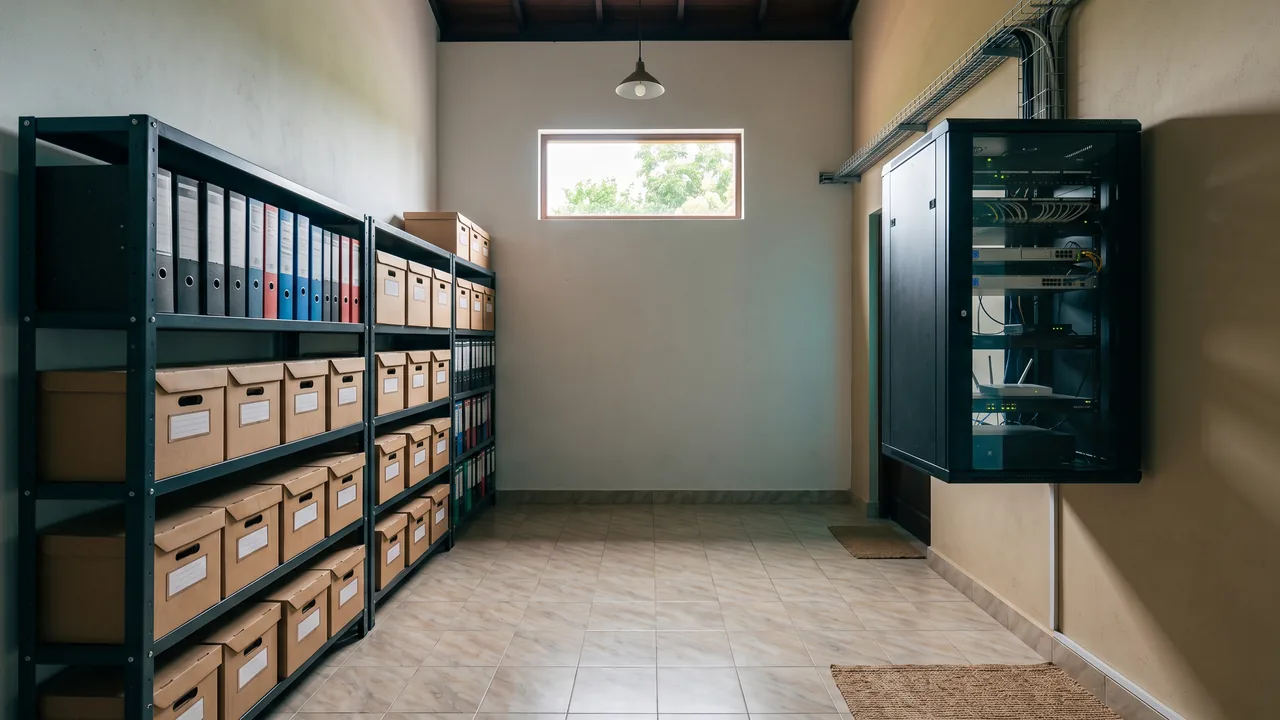
- Documents, books and archives yellow, curl and grow mold
- Textiles and leather stock mildew before they sell
- Machinery and tools rust, inflating maintenance costs
The quiet bonus
Dry air feels cooler — so your AC bill shrinks
At the same temperature, dry air feels several degrees cooler. Most customers run the AC less, or warmer, once a dehumidifier carries the load.
Not sure what your space needs?
Send us your space size and what you're protecting. We've sized dehumidifiers for Sri Lankan businesses and homes for over a decade — we'll tell you exactly what works, and what's overkill.